Research

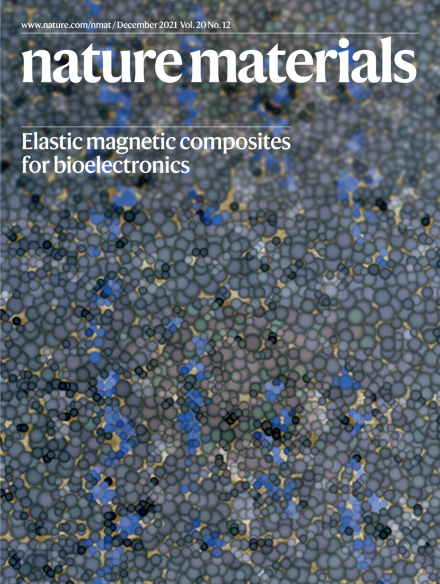
Nature Materials cover: elastic magnetic composites for bioelectronics
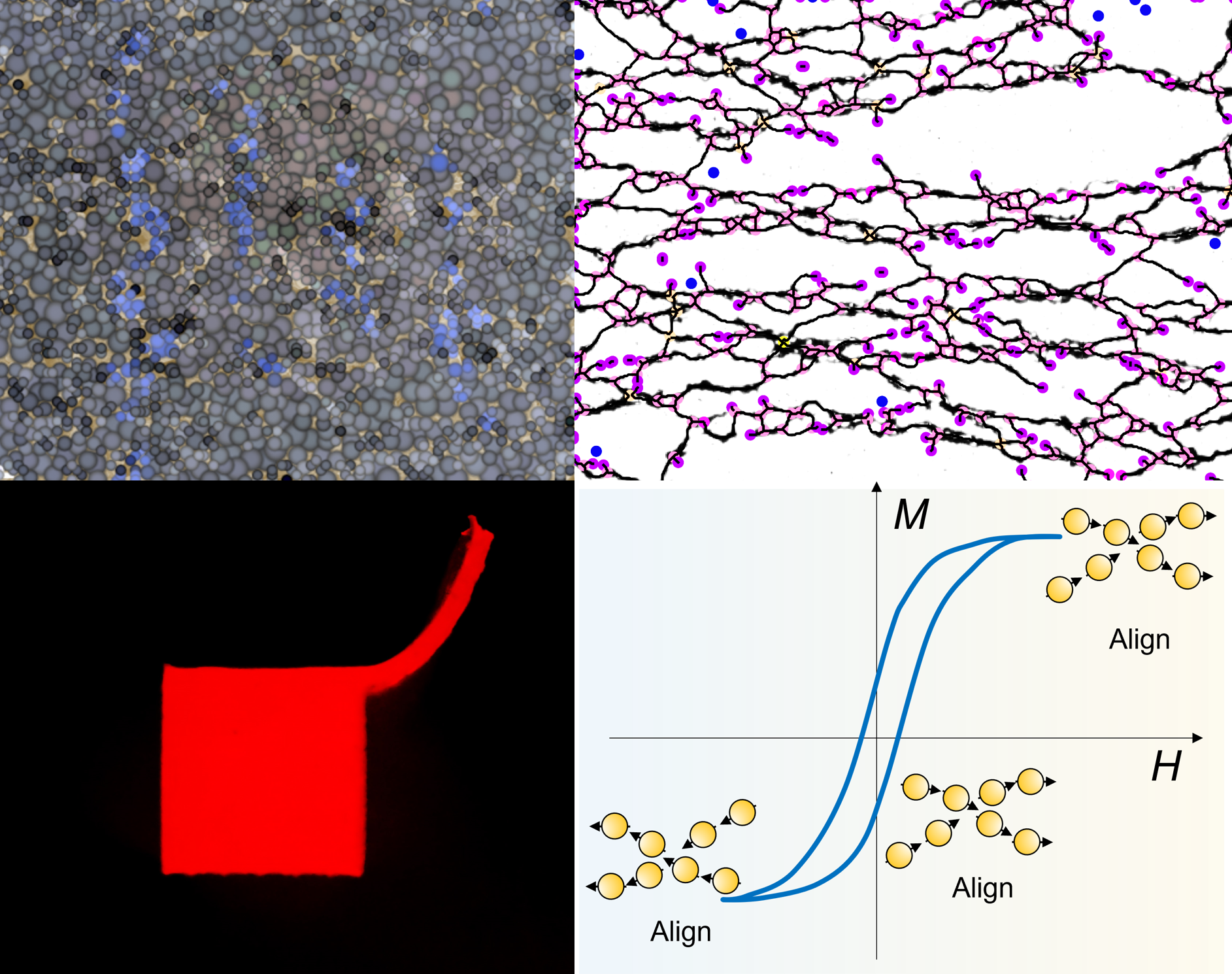
Soft magnetic materials, microstructures, and collective particle behavior

Soft Materials

We study the mechanics and functionality of soft materials, with a particular focus on how their interactions enable new technological capabilities. Our research seeks to establish fundamental insights into the material-structure-property relationships of soft systems, thereby guiding the precise design and integration of soft functional materials into conformal devices with distinctive capabilities in sensing, actuation, treatment, and other emerging applications. Our work includes the investigation of magnetoelastic coupling in soft composites and the collective permanent-magnetic behavior of colloidal liquids.

Our work integrates theoretical understanding, computational modeling, advanced manufacturing, and systematic materials characterization. Through this comprehensive approach, we aim to unlock capabilities beyond those of existing technologies, opening new avenues for bioelectronics and biomedical devices that could transform the diagnosis, monitoring, and treatment of disease.
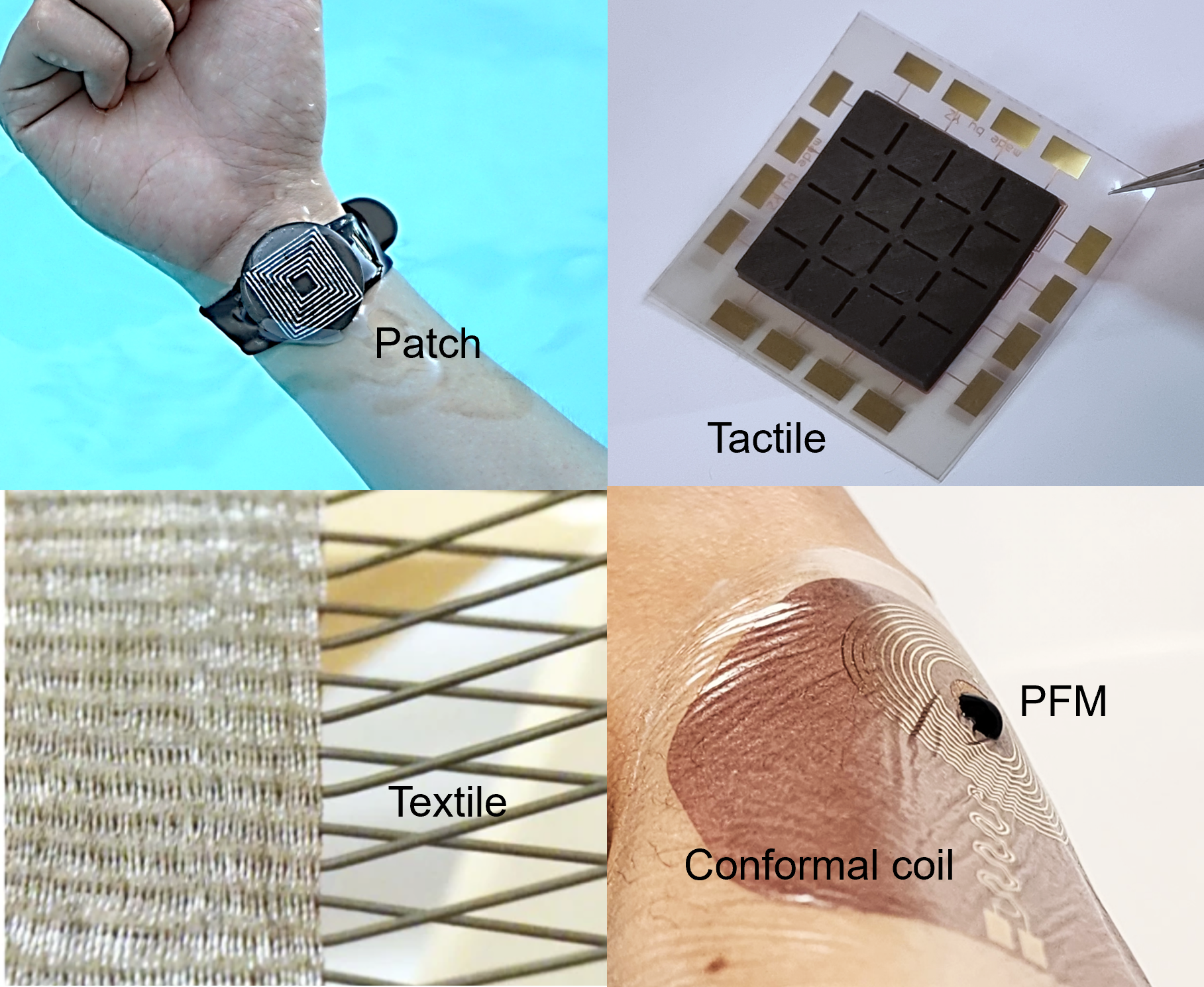
Wearable bioelectronics and self-powered sensing technologies

Bioelectronics

We design and fabricate bioelectronics and portable medical devices. Our work spans soft wearable patches, smart textiles, injectable liquid sensors, and robotic tactile interfaces. These devices target applications in cardiovascular health management, cancer screening, rehabilitation, preventive healthcare, and beyond.

Our research in bioelectronics integrates advanced materials engineering, electronic circuit design, biomimetic design, biointerface engineering, system integration, and artificial intelligence-driven data analysis. Through this multidisciplinary approach, we aim to develop personalized bioelectronic devices that maintain robust and accurate performance while integrating seamlessly with the human body and everyday life.

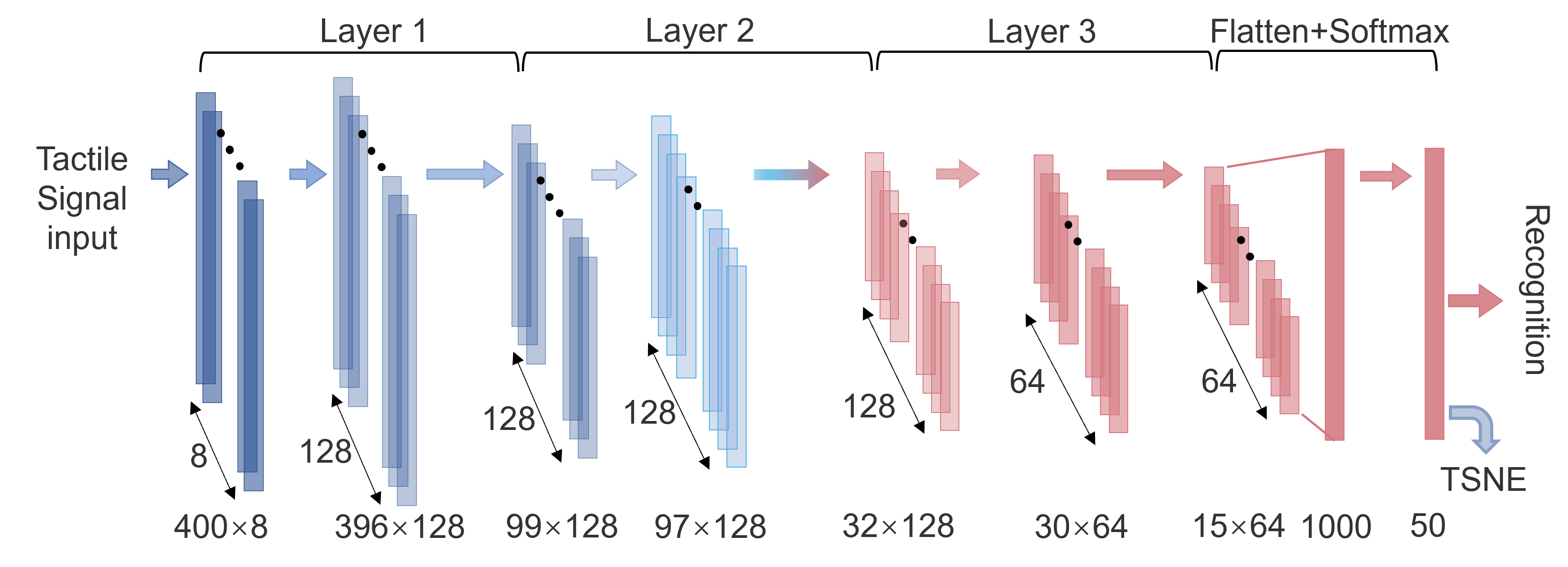
Artificial intelligence-enabled bioelectronics and connected sensing

Applied Artificial Intelligence

We broadly applies artificial intelligence to signal processing, data interpretation, classification, and human-machine interfacing in bioelectronics. We are also exploring agentic workflows, generative AI, deep reinforcement learning, and foundation models to advance soft materials, bioelectronics, and digital health research, from mechanistic understanding and materials design to device optimization, bioelectronic design, and system-level integration.